SMOKING KILLS  •  Strictly 18+ Only  •  Need help quitting? Call Quitline 13 78 48

Category: Health Risks of Smoking

  • Smoking and Fertility: Risks for Men and Women

    Trying for a baby? Research on smoking and fertility shows one of the most effective fertility treatments costs nothing: quitting smoking. Smoking harms fertility in both men and women — here is the evidence.

    How smoking affects female fertility

    • Faster depletion of egg reserve and earlier menopause (1–4 years).
    • Longer time to conceive — up to twice as long.
    • Higher miscarriage and ectopic pregnancy rates.
    • IVF success rates roughly halved in smokers.

    How smoking affects male fertility

    • Lower sperm count, motility and more abnormal sperm.
    • Higher sperm DNA damage, linked to miscarriage.
    • Erectile dysfunction — smokers face significantly higher risk.

    Pregnancy and beyond

    Conception is only the start — see pregnancy risks and secondhand smoke dangers. Both partners quitting gives the baby the healthiest start.

    Quitting restores fertility

    • Sperm quality improves within 3 months (a full sperm cycle).
    • Female conception rates rebound after quitting.
    • IVF outcomes improve markedly.

    Start today: quit guide, quit hub, Quitline 13 78 48, and your GP.

    Smoking, IVF and Your Odds

    The smoking and fertility evidence is starkest in IVF: smokers need higher drug doses, produce fewer eggs, face more cancelled cycles, and achieve roughly half the live-birth rate. Many clinics require quitting before treatment. Because smoking and fertility rebound after stopping, a 3-month pre-IVF quit window meaningfully improves odds.

    A Pre-Conception Quit Plan

    Planning pregnancy within a year? Set a quit date now: both partners (see secondhand smoke risks), NRT if needed under GP advice, and folate plus healthy habits alongside. Then read pregnancy risks, follow our quit guide, and use our quit hub and Quitline 13 78 48 for support.

    Smoking and Miscarriage Risk

    The smoking and fertility story extends past conception: smokers face roughly double the miscarriage risk, with danger rising per cigarette. Smoke chemicals damage the uterine lining, impair placental blood flow and injure developing embryos. Paternal smoking contributes too, via sperm DNA damage linked to early pregnancy loss. Every smoking and fertility specialist therefore advises both partners to quit at least three months before trying — sperm and eggs both benefit from the clean window.

    Men’s Health: Erectile Dysfunction

    Smokers develop erectile dysfunction at far higher rates because smoking damages the small blood vessels and nerves erections depend on — often years before heart symptoms appear. ED can be an early warning of cardiovascular disease, not merely a bedroom issue. Quitting measurably improves erectile function within months at any age. Discuss concerns with a GP, read the heart connection, and start our quit guide with our quit hub.

    Did You Know? Sperm Renews Every 72 Days

    A full sperm production cycle takes about 72 days — meaning three smoke-free months largely replaces damaged sperm with healthy stock. Female fertility responds similarly fast: conception rates rebound within months of quitting, and quitting before IVF measurably improves egg quality and implantation. Fertility specialists increasingly require verified quitting before treatment begins. Start your three-month window now with our quit guide, your GP, and our quit hub.

    Smoking and Fertility: Key Takeaways

    Smoking and fertility mix badly: women conceive slower with earlier menopause, men’s sperm quality drops, and IVF success roughly halves. Smoking and fertility recover encouragingly fast — sperm renews within three months and conception rates rebound after quitting.

    Planning pregnancy? Read pregnancy risks and our quit guide, and get support at our quit hub or from your GP.

    Health warning: Smoking kills. Smoking is harmful to your health and the health of those around you. For free help quitting in Australia, call Quitline 13 78 48 or visit quit.org.au.
  • Youth Smoking Risks: A Guide for Australian Parents

    Most adult smokers started as teenagers — and the younger someone starts, the harder quitting becomes. This parents’ guide to youth smoking risks covers cigarettes and vapes, Australian laws, and how to talk to your kids.

    Why teens are more vulnerable

    • The adolescent brain is still developing — nicotine addiction takes hold faster and deeper.
    • Early starters smoke more heavily as adults and quit less successfully.
    • Smoking impairs lung growth, fitness and school performance.

    Cigarettes, vapes and the law

    Selling tobacco or e-cigarettes to under-18s is illegal across Australia, as is smoking in cars with children. Retailers must verify age — our store enforces strict 18+ age verification. Read vaping vs smoking facts before assuming vapes are harmless.

    Warning signs your teen may be smoking or vaping

    • Smoke or sweet chemical smells on clothes and breath
    • Unknown devices, pods or lighters in bags
    • Coughing, throat irritation, nosebleeds
    • Withdrawals: irritability when unable to vape

    How to talk to your teen

    1. Stay calm and curious, not accusatory.
    2. Share facts, not lectures — show them the real health cost.
    3. Set clear smoke-free rules (see protecting family).
    4. Offer quit help: Quitline 13 78 48, school counsellors, GP.

    More: quit hub, FAQs and our health blog.

    How to Spot Vaping at Home

    Because youth smoking risks now centre on vapes, know the signs: sweet or fruity scents, small USB-like devices or pods, extra thirst or nosebleeds, unfamiliar online purchases, and irritability when separated from devices. Youth smoking risks hide easily since vapour smells fade fast — calm awareness beats snooping. Learn the facts at vaping vs smoking.

    Setting Rules That Stick

    Effective household rules are clear, explained and consistent: no smoking or vaping, no devices in bedrooms overnight, and honest conversations over punishment. Connect rules to health facts (share the real health cost), keep your own home smoke-free (see protecting family), and offer quit help — Quitline 13 78 48, school counsellors, and our quit hub.

    Peer Pressure Scripts for Teens

    Equip teens with refusal lines against youth smoking risks: “Nah, I’m good” (casual deflection), “I tried it, hated it” (conversation closer), “My parents drug-test me” (blame shield), “I’m training for sport” (positive identity), or simply walking away. Rehearse aloud until automatic — teens with practised refusals resist youth smoking risks far better. Affirm that most Australian teens neither smoke nor vape: refusal joins the majority, not the fringe.

    What Schools Are Doing

    Australian schools now treat vaping as a priority: bathroom vape detectors, suspension policies, GP-linked quit referrals and curriculum modules on nicotine marketing tactics. Parents should know their school’s policy, support — not undermine — consequences, and request counsellor involvement early. Reinforce school messages at home using addiction facts and vape realities, with backup from Quitline and our quit hub.

    Did You Know? Most Smokers Start as Teens

    The overwhelming majority of adult smokers lit their first cigarette before 18 — and those who reach adulthood smoke-free rarely start later. This narrow window makes adolescence the decisive battleground: every year a teen delays experimentation sharply lowers lifetime addiction risk. Flavoured vapes deliberately target this window with sweet tastes and social-media marketing. Protect the window with facts from vaping vs smoking and addiction science, plus our quit hub.

    Youth Smoking Risks: Key Takeaways

    Youth smoking risks are severe because the teenage brain addicts faster and deeper — most adult smokers started young. Youth smoking risks now include vapes, which addict non-smoking teens with sweet flavours. Calm, factual conversations plus smoke-free rules protect kids best.

    Share the real health cost with your teen, enforce a smoke-free home, and find help at our quit hub or Quitline 13 78 48.

    Health warning: Smoking kills. Smoking is harmful to your health and the health of those around you. For free help quitting in Australia, call Quitline 13 78 48 or visit quit.org.au.

  • Smoking, Skin, Teeth and Appearance: The Visible Damage

    Long before serious disease strikes, smoking writes its signature on your face. Smoking and skin damage, plus harm to teeth and appearance is visible, premature and — if you quit — partly reversible.

    Smoker’s skin: older, duller, slower to heal

    • Deep wrinkles around eyes and mouth (“smoker’s lines”) appear years early.
    • Reduced blood flow leaves skin grey, dull and uneven.
    • Wounds heal slower; psoriasis and skin cancer risks rise.

    Teeth and mouth: staining, disease, loss

    • Yellow-brown staining of teeth and persistent bad breath.
    • Smokers are up to 6 times more likely to develop gum disease.
    • Higher risk of tooth loss, implants failing, and mouth and throat cancers.

    Hair, nails and hands

    Earlier greying and hair thinning, yellowed fingers and nails, and the unmistakable smoke smell that clings to clothes, cars and homes.

    Quitting turns back the clock

    Within weeks, skin blood flow and brightness improve; breath freshens; staining stops accumulating. Read the recovery timeline, start the quit guide, or get help at our quit hub and Quitline 13 78 48.

    Smoker’s Teeth: Treatments That Help

    Beyond smoking and skin effects, dental damage worries many smokers: brown staining, gum recession, persistent bad breath and up to six times the gum-disease risk. Dentists can scale staining, treat gum disease and whiten teeth — but results fade fast unless you quit. Implants also fail more often in smokers. Book a dental check as part of your quit plan, and read how smoking damages overall health.

    Skin Recovery After Quitting

    When smoking and skin damage stops, recovery begins: circulation and brightness improve within weeks, wound healing normalises within months, and premature-ageing progression halts. Moisturiser, sunscreen and hydration support the rebound. Track the full renewal in the recovery timeline, start our quit guide, and get encouragement at our quit hub.

    Hair Loss and Smoking

    Add hair to the smoking and skin damage list: smokers face significantly higher risks of premature greying and androgenetic hair loss. Smoke chemicals constrict scalp blood vessels, damage hair-follicle DNA and disrupt hormones governing growth cycles. Both men and women notice thinning earlier and faster. While quitting cannot resurrect dead follicles, it halts accelerated loss — dermatologists list stopping smoking among first-line advice for premature smoking and skin-adjacent ageing.

    Hands, Nails and Lingering Smell

    Yellowed fingers, stained nails and the unmistakable stale-smoke odour on clothes, hair and cars mark smokers socially — colleagues and dates notice before you do. Deep-clean everything at quitting: wash walls and fabrics, detail the car, dry-clean coats. Fresh-start rituals reinforce identity change from smoker to ex-smoker. Sustain it with our quit guide, benefits motivation and our quit hub.

    Did You Know? Dentists Can Spot Smokers Instantly

    Dental professionals identify smokers within seconds: characteristic staining patterns, gum recession, palate changes and healing rates tell the story before you speak. The same visibility applies socially — studies show people accurately estimate smoking status from facial photographs alone, rating smokers older than their true age. The encouraging flip side: skin blood flow improves measurably within weeks of quitting. Begin your visible recovery with our quit guide, the timeline and our quit hub.

    Smoking, Skin and Teeth: Key Takeaways

    Smoking and skin ageing go together: reduced blood flow brings wrinkles, dullness and slow healing, while teeth stain and gum disease risk multiplies. Smoking and skin damage appear years before serious disease — but quitting visibly brightens skin and freshens breath within weeks.

    See the deeper harm in how smoking damages health, track recovery at the timeline, and start at our quit hub.

    Health warning: Smoking kills. Smoking is harmful to your health and the health of those around you. For free help quitting in Australia, call Quitline 13 78 48 or visit quit.org.au.

  • COPD and Emphysema in Smokers: The Breathless Truth

    Imagine being breathless walking to the letterbox — permanently. That is life with severe COPD, a disease smoking causes in up to 9 out of 10 cases. This is the breathless truth about COPD and emphysema in smokers.

    What COPD does

    COPD combines emphysema (destruction of the lung’s air sacs) and chronic bronchitis (permanently inflamed, mucus-clogged airways). Damage is irreversible — treatment can only slow it. Early signs smokers dismiss as “smoker’s cough” are often the disease beginning.

    Symptoms and stages

    • Early: morning cough, mucus, breathlessness on exertion.
    • Moderate: frequent chest infections, wheezing, fatigue.
    • Severe: breathlessness at rest, oxygen therapy, hospital admissions.

    Smoking: the overwhelming cause

    Around 15–20% of long-term smokers develop COPD, and smokers are many times more likely to die from it than non-smokers. The disease also raises lung cancer and heart disease risk. Full list: diseases caused by smoking.

    Quitting is the only effective brake

    Lung function decline slows dramatically after quitting — see the recovery timeline. Get started with our quit guide and quit hub, or call Quitline 13 78 48.

    Early Warning Signs of COPD

    COPD announces itself quietly: a morning cough that never clears, mucus most days, breathlessness on hills or stairs, wheezing, and frequent winter chest infections. Smokers often blame ageing or fitness, but COPD diagnosis needs only simple spirometry at your GP. Catching it early — and quitting immediately — preserves far more lung function than late action.

    Living with COPD: What Helps

    Diagnosed COPD is manageable: pulmonary rehabilitation (exercise plus education) transforms stamina, annual flu and pneumococcal vaccines prevent crises, inhalers control symptoms, and a written action plan tells you when to escalate care. Above all, stopping smoking slows decline dramatically. Start with our quit guide, the recovery timeline and our quit hub, and review related diseases.

    Oxygen Therapy: What to Expect

    Advanced COPD often requires long-term oxygen: concentrator machines at home, portable cylinders for outings, and nasal cannulas worn 15+ hours daily. Oxygen eases breathlessness, protects the heart and extends life — but it anchors routines, complicates travel, and forbids nearby smoking (oxygen plus cigarettes causes fires and facial burns). Every COPD patient on oxygen wishes they had quit sooner; their unanimous advice to smokers is not to wait for the prescription.

    Pulmonary Rehab Week by Week

    Pulmonary rehabilitation typically runs 6–8 weeks: supervised exercise retrains breathing muscles, education covers inhaler technique and flare-up action plans, and dietitians address the weight loss COPD causes. Graduates walk further, panic less and hospitalise rarely. Ask your GP for referral, combine rehab with quitting via our guide and quit tools, and find encouragement at our quit hub.

    Did You Know? COPD Hides in Plain Sight

    Around 1 in 7 Australians over 40 lives with COPD — and about half do not know they have it, dismissing early breathlessness as ageing or unfitness. A simple 10-minute spirometry test at your GP measures lung function definitively, and guidelines recommend it for every smoker over 35 with a persistent cough. Early diagnosis plus immediate quitting preserves dramatically more lung capacity than late detection. If this sounds familiar, book a GP review this week, read our quit guide, and visit our quit hub.

    COPD and Emphysema: Key Takeaways

    For COPD emphysema smokers, the statistics are grim: up to 9 in 10 cases are smoking-caused, damage is irreversible, and breathlessness becomes permanent. COPD emphysema smokers often dismiss early smoker’s cough — yet quitting immediately slows lung decline and extends life.

    See the wider diseases caused by smoking, follow our quit guide, and find support at our quit hub and Quitline 13 78 48.

    Health warning: Smoking kills. Smoking is harmful to your health and the health of those around you. For free help quitting in Australia, call Quitline 13 78 48 or visit quit.org.au.

  • Smoking Causes Cancer: 16+ Cancers Linked to Tobacco

    Everyone knows smoking causes cancer — lung cancer most famously. Fewer realise tobacco is linked to at least 16 different cancers throughout the body. Here is the full list — and the hopeful news about quitting.

    Cancers directly caused by smoking

    • Lung, mouth, throat, voice box and oesophagus — the smoke’s direct path.
    • Bladder, kidney and pancreas — carcinogens travel via the bloodstream.
    • Stomach, liver, bowel and cervix — all with proven links.
    • Blood cancers — including acute myeloid leukaemia.

    Why tobacco is so carcinogenic

    Cigarette smoke contains at least 69 known carcinogens that damage DNA with every puff. The body’s repair systems cope for years — then fail. The longer and heavier the smoking, the higher the risk, as detailed in how smoking damages your health.

    Quitting cuts cancer risk at any age

    • 5 years: mouth, throat, oesophagus and bladder cancer risks halved.
    • 10 years: lung cancer risk roughly halved versus continuing smokers.
    • 15+ years: many risks approach non-smoker levels.

    More motivation: recovery timeline, benefits of quitting, quit guide and our quit hub. Or call Quitline 13 78 48.

    How Smoking Causes DNA Damage

    Understanding why smoking causes cancer starts with carcinogens: benzopyrene, nitrosamines, formaldehyde and 60+ others enter the blood with every puff, bind to DNA, and cause mutations. Normally repair genes fix the damage — but where smoking causes cancer, relentless daily assaults eventually overwhelm repair, disable tumour-suppressor genes, and let malignant cells multiply unchecked.

    Cancer Screening for Smokers and Ex-Smokers

    Australia’s National Lung Cancer Screening Program offers low-dose CT scans to high-risk people aged 50–70 with significant smoking history — ask your GP about eligibility. Bowel screening (NBCSP kits from 45–50), skin checks and cervical screening matter too. Screening plus quitting is the strongest defence: use our quit guide, quit apps and our quit hub to stop now.

    The Overlooked Trio: Pancreatic, Bladder, Cervical

    Beyond lung tumours, smoking causes cancer in sites smokers rarely consider. Pancreatic cancer — among the deadliest — strikes smokers at double the rate. Bladder cancer risk triples, since kidneys concentrate smoke carcinogens into urine bathing the bladder for hours. Cervical cancer risk rises because smoking impairs the immune clearance of HPV. Each proves smoking causes cancer far beyond the airway: wherever blood and urine carry carcinogens, tumours follow.

    Genetics vs Smoking: Which Matters More?

    “Cancer runs in my family, so quitting won’t help” gets the science backwards: inherited mutations load the gun, but smoking pulls the trigger far more often. For lung cancer, smoking outweighs family history overwhelmingly — and quitting slashes risk regardless of genes. Know your screening options (see above), read related diseases, and start quitting with our guide and our quit hub.

    Did You Know? Cancer and Tobacco in Numbers

    Tobacco smoking causes around 15% of all cancers diagnosed in Australia — tens of thousands of preventable cases yearly. Lung cancer remains the nation’s leading cancer killer, and roughly 4 in 5 cases trace directly to smoking. Yet the same data offers hope: a smoker who quits at 40 avoids about 90% of the excess mortality risk. Every smoke-free year measurably lowers your odds, which is why starting your quit today matters more than regretting yesterday. More motivation: 20 benefits of quitting and our quit hub.

    Smoking Causes Cancer: Key Takeaways

    That smoking causes cancer is proven for at least 16 body sites, from lungs and throat to bladder, pancreas and cervix. Smoking causes cancer because 69+ carcinogens in every puff damage DNA faster than cells can repair. Quitting halves several cancer risks within 5–10 years.

    Learn how smoking damages overall health, review the benefits of quitting, and get free help at our quit hub or Quitline 13 78 48.

    Health warning: Smoking kills. Smoking is harmful to your health and the health of those around you. For free help quitting in Australia, call Quitline 13 78 48 or visit quit.org.au.

  • Smoking and Heart Disease: The Warning Your Heart Needs

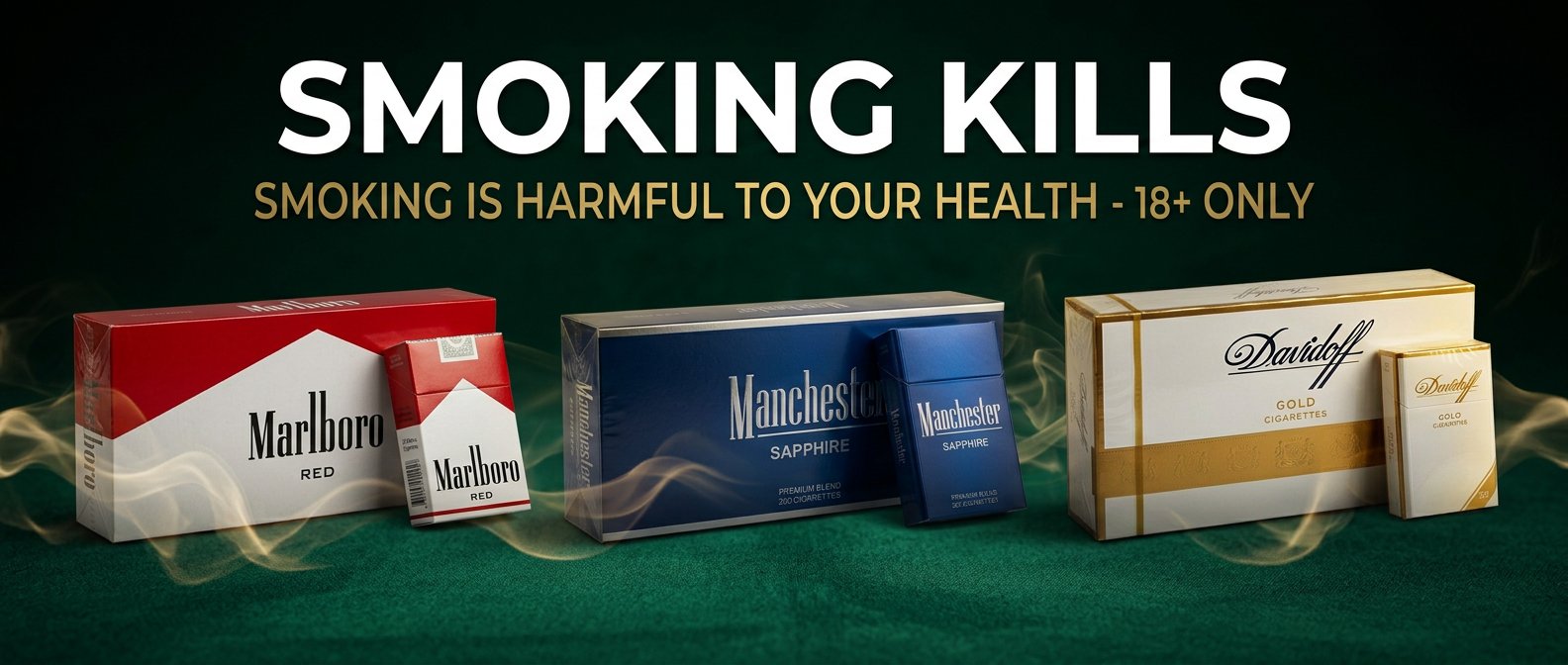
    Smoking kills warning over premium cigarette cartons

    Heart disease is Australia’s biggest killer — and smoking is one of its biggest drivers. If you smoke, this smoking and heart disease warning explains exactly how cigarettes attack your cardiovascular system.

    How smoking damages the heart

    • Artery damage: chemicals injure vessel linings, accelerating fatty plaque (atherosclerosis).
    • Blood pressure and heart rate: every cigarette spikes both, straining the heart.
    • Oxygen starvation: carbon monoxide crowds oxygen out of the blood.
    • Clotting: smoking makes blood stickier — the trigger for heart attacks and strokes.

    The numbers are stark

    Smokers face roughly double the risk of heart attack and stroke, and smoking causes about 1 in 10 cardiovascular deaths. Risk rises with every cigarette — but even light smoking is dangerous. See the broader picture in diseases caused by smoking.

    Secondhand smoke harms hearts too

    Non-smokers regularly exposed to smoke face 25–30% higher heart disease risk — another reason to make your home smoke-free (see protecting your family).

    Your heart recovers when you quit

    Heart rate normalises in 20 minutes; excess heart disease risk halves within a year (see the recovery timeline). Start with our quit guide, our quit support hub, or Quitline 13 78 48.

    Warning Signs Smokers Must Never Ignore

    Because smoking and heart disease are so closely tied, every smoker should know cardiac red flags: chest pressure, tightness or squeezing; pain spreading to arm, neck, jaw or back; sudden breathlessness, cold sweats, nausea or light-headedness. These demand calling 000 immediately — chew aspirin only if advised by the operator. With smoking and heart disease, minutes decide outcomes, so never drive yourself to hospital.

    Heart Tests to Ask Your GP About

    Smokers over 45 (35 for Aboriginal and Torres Strait Islander people) should request a Heart Health Check: blood pressure, cholesterol, diabetes screening and an absolute cardiovascular risk score. Your GP may add an ECG, calcium-score CT or stress test. Bring a smoking history and ask directly about quitting — then act with our quit guide, the recovery timeline and our quit hub. For the broader picture see diseases caused by smoking.

    Smoking and Blood Pressure: The Numbers

    Each cigarette spikes blood pressure by 5–10 mmHg for around 30 minutes — and a pack-a-day smoker spends the entire day hypertensive. Because smoking and heart disease develop through sustained vascular injury, this daily assault stiffens arteries, thickens heart muscle and accelerates plaque. Home blood-pressure monitors reveal the pattern clearly: readings taken 30+ minutes after a cigarette run lower, proving how directly smoking and heart disease risk tracks each puff. After quitting, average blood pressure typically drops within weeks.

    Safe Exercise After Quitting

    Exercise halves cravings and rebuilds cardiac fitness — but ex-smokers should start gently: brisk walking 20–30 minutes daily, adding distance weekly, with a GP check first if you have chest symptoms or are over 45. Within months most quitters manage jogging, cycling or swimming. Pair activity with healthy eating strategies, track stamina gains in the timeline, and sustain motivation at our quit hub.

    Smoking and Heart Disease: Key Takeaways

    Smoking and heart disease are tightly linked: smoking doubles heart attack and stroke risk by damaging arteries, raising blood pressure, starving blood of oxygen and promoting clots. With smoking and heart disease, even light smoking is dangerous — but risk halves within a year of quitting.

    Read the full diseases caused by smoking, see your heart’s recovery timeline, and start quitting via our quit hub or Quitline 13 78 48.

    Health warning: Smoking kills. Smoking is harmful to your health and the health of those around you. For free help quitting in Australia, call Quitline 13 78 48 or visit quit.org.au.

  • Smoking During Pregnancy: Risks to Mother and Baby

    If you are pregnant or planning pregnancy, quitting smoking is one of the most powerful protections you can give your baby. This guide explains smoking during pregnancy risks — honestly, without judgement — and where to get help.

    Risks to the baby

    • Miscarriage and stillbirth: significantly higher risk.
    • Premature birth and low birth weight: leading to breathing problems and NICU stays.
    • Birth defects: including cleft lip/palate and heart defects.
    • SIDS: babies of smokers face higher sudden infant death risk.
    • Long-term effects: more asthma, ear infections and learning difficulties.

    Risks to the mother

    Smokers face higher rates of ectopic pregnancy, placental abruption, placenta praevia and pre-eclampsia. Partners should quit too — secondhand smoke harms both mother and baby.

    It is never too late to quit

    Quitting at any stage of pregnancy improves outcomes; quitting in the first trimester brings many risks close to non-smoker levels. Related reading: smoking and fertility.

    Safe ways to quit while pregnant

    1. Talk to your GP or midwife first — they support quitting without judgement.
    2. Call Quitline 13 78 48 — free counselling, including for pregnant women.
    3. Ask about NRT — under medical advice it may be safer than continuing to smoke.
    4. Use our resources: quit guide, quit support hub and FAQs.

    Partners: Why You Should Quit Too

    Smoking during pregnancy is not only the mother’s issue — partners who smoke expose mother and baby to secondhand smoke, double the mother’s chance of relapsing, and model smoking for the child. Quitting together removes smoking during pregnancy risks from the home entirely. See protecting family and fertility risks.

    Quit Aids in Pregnancy: What’s Safe?

    Behavioural support (Quitline 13 78 48, GP, midwife) is first-line and completely safe. NRT may be recommended when counselling alone fails, since regulated nicotine without smoke is less harmful than continuing to smoke. Always follow medical advice, and use our quit guide plus our quit hub for daily encouragement.

    After Birth: Staying Smoke-Free

    Up to half of women who quit for pregnancy relapse within months of delivery — often from sleep deprivation, stress and the mistaken belief the danger has passed. But smoking during pregnancy risks continue after birth as secondhand smoke: higher SIDS, more ear infections and asthma, and slower infant lung growth. Protect your quit by planning now: line up support, keep NRT guidance from your GP, and treat staying quit as part of parenting, not an optional extra. Smoking during pregnancy may end at delivery; your child’s need for clean air does not.

    Breastfeeding and Smoking

    Breast milk from smokers carries nicotine and reduces milk supply — yet breastfeeding while smoking is still generally recommended over formula, because breast milk’s benefits outweigh the exposure. Better still: quit, or at minimum smoke only after feeds, never near baby, and in minimal amounts. Discuss NRT compatibility with your GP or pharmacist. Support: quit guide, protecting family, our quit hub and Quitline 13 78 48.

    Your Support Network Checklist

    Assemble your team against smoking during pregnancy: a GP or midwife for medical guidance, Quitline 13 78 48 for counselling, a quit buddy (partner, friend, family), a quit app for daily tactics, and our quit hub for reading material. Tell everyone your quit date and how to help — specific requests (“walk with me after dinner”) beat vague announcements every time.

    Smoking During Pregnancy: Key Takeaways

    Smoking during pregnancy increases miscarriage, premature birth, low birth weight, birth defects and SIDS — and partners’ smoke adds further harm. The reassuring news about smoking during pregnancy is that quitting at any stage improves outcomes, with first-trimester quitting bringing many risks near non-smoker levels.

    Read smoking and fertility and protecting family from smoke, talk to your GP or midwife, and call Quitline 13 78 48 or visit our quit hub.

    Health warning: Smoking kills. Smoking is harmful to your health and the health of those around you. For free help quitting in Australia, call Quitline 13 78 48 or visit quit.org.au.

  • Secondhand Smoke: How to Protect Your Family at Home

    Smoking kills — and not only smokers. Secondhand smoke contains the same 7,000+ chemicals, and there is no safe level of exposure. If you smoke around family, children or housemates, this guide explains the risks and how to protect your family starting today.

    How secondhand smoke harms children

    • More frequent asthma attacks and respiratory infections
    • More ear infections and fluid requiring surgery
    • Higher risk of sudden infant death syndrome (SIDS)
    • Slower lung growth and more missed school days

    Risks to non-smoking adults

    Living with a smoker raises a non-smoker’s heart disease risk by 25–30% and lung cancer risk by 20–30%. Pregnant women exposed to smoke face higher risks too — see smoking during pregnancy.

    Make your home and car smoke-free

    1. Ban indoor smoking completely — opening windows does not work.
    2. Keep the car smoke-free — it is illegal in Australia to smoke in a car with a child under 18.
    3. Smoke well away from doors and windows, and change clothes before cuddling kids.
    4. Set a quit date — the only real fix. Start with our Australian quit guide.

    Thirdhand smoke: the residue risk

    Nicotine residue lingers on walls, furniture and clothes long after a cigarette is out — especially risky for crawling babies. A smoke-free home plus quitting is the gold standard.

    Get free family support at our quit smoking hub, read our parents’ guide to youth smoking, or call Quitline 13 78 48.

    Smoke-Free Laws in Australia

    Australia restricts smoking in enclosed public places, near playgrounds and public transport stops, and in cars carrying children — because secondhand smoke harms bystanders. Penalties apply in every state and territory. These laws exist since secondhand smoke has no safe exposure level; enclosed spaces concentrate its 7,000+ chemicals within minutes.

    Talking to a Smoker You Live With

    Raising secondhand smoke at home works best with care, not conflict: share facts (see the health cost of smoking), propose a fully smoke-free home and car, offer to support a quit attempt, and keep Quitline 13 78 48 handy. If you are the smoker, our quit guide and quit hub make starting easier than you think.

    Protecting Pets from Smoke

    Secondhand smoke harms animals too. Dogs in smoking homes develop more lung and nasal cancers; cats — meticulous groomers — ingest smoke particles settled on fur and suffer higher rates of mouth cancer (lymphoma). Birds are exquisitely sensitive to air pollution, and fish tanks absorb airborne toxins. Because secondhand smoke settles into furnishings pets contact constantly, a smoke-free home protects every species under your roof. If quitting feels hard, quitting for a beloved pet is a legitimate and powerful reason.

    Renting? Your Rights Around Smoke

    Renters bothered by neighbours’ smoke have options: most states allow smoke-drift complaints through strata or tenancy tribunals, many leases now include no-smoking clauses, and landlords increasingly advertise smoke-free properties. Document dates, times and health effects, raise the issue politely in writing, and escalate to strata management or your state tenancy body if needed. Meanwhile, keep your own household safe with the steps above, and explore quitting via our quit hub.

    Secondhand Smoke: Key Takeaways

    Secondhand smoke contains the same 7,000+ chemicals as inhaled smoke, and there is no safe exposure level. Secondhand smoke raises heart disease and lung cancer risk in adults, while children suffer more asthma, ear infections and SIDS. Smoke-free homes and cars are essential — ventilation does not remove the danger.

    Go further: read our parents’ guide to youth smoking, follow our quit guide, and find family support at our quit hub.

    Health warning: Smoking kills. Smoking is harmful to your health and the health of those around you. For free help quitting in Australia, call Quitline 13 78 48 or visit quit.org.au.

  • How Smoking Damages Your Health: Lungs, Heart and Brain

    Most smokers know tobacco is harmful, but few realise how fast and how widely smoking damages your health. Within seconds of inhaling, chemicals flood your bloodstream and reach every organ. Here is what happens to the three systems hit hardest: lungs, heart and brain.

    Lungs: the first casualty

    Tar paralyses and destroys cilia, mucus builds up, airways inflame, and the tiny air sacs that transfer oxygen begin to break down — the process behind emphysema and COPD. Smokers cough more, catch more chest infections and recover more slowly. Over years, accumulated DNA damage can trigger lung cancer.

    Heart: under attack with every cigarette

    Nicotine spikes heart rate and blood pressure while carbon monoxide starves the heart of oxygen. Meanwhile, chemicals injure artery walls, inviting fatty plaques that cause heart attacks and strokes — explained fully in our heart disease warning.

    Brain: addiction plus stroke risk

    Nicotine hijacks dopamine pathways, rewiring the brain toward dependence (see how nicotine addiction works). Smoking also doubles stroke risk and accelerates cognitive decline and dementia.

    Immunity, healing and everyday health

    Smokers heal slower after surgery, suffer more infections, and experience worse asthma and diabetes control. The financial cost of smoking adds stress on top — another health burden.

    Recovery starts the day you quit

    Read the body-after-quitting timeline, explore benefits of quitting, or get free help via our quit support page and Quitline 13 78 48.

    Smoking and Your Immune System

    One overlooked way smoking damages health is immune suppression. Smokers catch more colds, flu and chest infections, recover slower, and respond less well to vaccines. Smoking damages health defences by paralysing airway cilia, inflaming lung tissue and impairing white blood cells — leaving the body vulnerable exactly where smoke hits hardest.

    Why Smokers Age Faster

    Smokers look older because smoking damages health at cellular level: it shortens telomeres (the caps protecting chromosomes), breaks down skin collagen, yellows teeth, and slows healing. The average smoker’s skin age runs years ahead of their real age (see skin and teeth damage). Quitting slows this clock — follow the recovery timeline and get help at our quit hub.

    Smoking and Bone Health

    Less famous than lung damage, skeletal harm shows how deeply smoking damages health: smokers face higher osteoporosis and hip-fracture risk, slower fracture healing, more back pain, and greater dental bone loss around teeth. Nicotine impairs bone-forming cells while smoke toxins accelerate bone resorption. Weight-bearing exercise plus quitting rebuilds protection — another reason to start quitting via our quit hub today.

    Did You Know? Smoking Shortens Your Chromosomes

    Telomeres — protective caps on chromosomes — shrink faster in smokers, effectively ageing cells years beyond their owner’s age. This cellular ageing explains why smoking damages health so broadly: shorter telomeres predict heart disease, diabetes and earlier death across every study. The damage slows when you quit, letting cells stabilise. Cellular renewal joins better sleep, immunity and fitness among the deep repairs mapped in the recovery timeline — start yours via our quit hub.

    Smoking Damages Health: Key Takeaways

    Every puff shows how smoking damages health: tar coats the lungs, nicotine spikes blood pressure, carbon monoxide starves organs of oxygen, and carcinogens injure DNA. Because smoking damages health across every body system at once, smokers age faster, heal slower and fall ill more often than non-smokers.

    Learn more in how nicotine addiction works and the recovery timeline, or start quitting with our quit support hub and Quitline 13 78 48.

    Health warning: Smoking kills. Smoking is harmful to your health and the health of those around you. For free help quitting in Australia, call Quitline 13 78 48 or visit quit.org.au.

  • Diseases Caused by Smoking: From COPD to Cancer

    When people hear that smoking kills, they often think only of lung cancer. In reality, smoking damages nearly every organ and is a proven cause of dozens of diseases. This guide lists the major diseases caused by smoking, so you can see the full scope of the risk.

    Diseases caused by smoking - COPD, cancer, heart disease and stroke

    Lung diseases

    • Chronic obstructive pulmonary disease (COPD): smoking causes up to 9 in 10 COPD cases, leaving sufferers breathless for life. See COPD and emphysema in smokers.
    • Lung cancer: smokers are 15–30 times more likely to develop it. See cancers caused by smoking.
    • Chronic bronchitis and frequent infections: damaged airways trap mucus and bacteria.

    Heart and circulatory diseases

    Smoking roughly doubles the risk of heart attack and stroke, damages blood vessel linings, raises blood pressure and promotes deadly clots. Our article on smoking and heart disease explains the mechanism in detail.

    Cancers beyond the lungs

    Mouth, throat, voice box, oesophagus, stomach, pancreas, liver, kidney, bladder, bowel and cervical cancers are all linked to smoking. Quitting lowers these risks year after year.

    Other serious conditions

    • Type 2 diabetes (30–40% higher risk)
    • Rheumatoid arthritis and weakened immunity
    • Eye disease, including macular degeneration
    • Infertility, erectile dysfunction and pregnancy complications — see smoking and fertility and pregnancy risks
    • Gum disease and tooth loss — see smoking, skin and teeth

    The earlier you quit, the more you gain

    Visit our quit smoking support hub, read what happens to your body after quitting, or browse all health articles. For urgent help, call Quitline 13 78 48.

    Lesser-Known Diseases Linked to Smoking

    Beyond the famous diseases caused by smoking lie conditions few smokers expect. Smoking raises type 2 diabetes risk by 30–40%, doubles rheumatoid arthritis risk, accelerates macular degeneration (a leading cause of blindness), and causes erectile dysfunction through blood-vessel damage. Smokers also face slower wound healing, more post-surgery complications, and worse outcomes from respiratory infections including influenza and COVID-19.

    How Doctors Test for Smoking Damage

    If you smoke, ask your GP about checks that catch the diseases caused by smoking early: spirometry (lung function), blood pressure and cholesterol review, ECG or heart imaging if indicated, and Australia’s National Lung Cancer Screening Program for high-risk ex-smokers and smokers. Early detection transforms outcomes — and every test is a fresh reason to visit our quit support hub or read how to quit smoking.

    When to See Your GP Urgently

    Smokers should seek prompt medical review for: coughing blood, breathlessness that worsens over weeks, persistent chest pain, unexplained weight loss, new lumps, or wounds that will not heal. These can signal diseases caused by smoking needing urgent assessment. Never let embarrassment about smoking delay care — GPs help smokers daily without judgement, and early action saves lives. Book the appointment this week.

    Did You Know? Smoking Worsens Every Surgery

    Among all diseases caused by smoking, surgical complications hit fastest: smokers face double the wound-infection risk, slower bone healing, more anaesthesia problems and extra blood clots. Many Australian hospitals now require verified quitting before elective joint replacements and spinal surgery. Even quitting 4 weeks pre-operation halves complication risk — proof that escaping diseases caused by smoking starts paying off within a month. Facing surgery? Use our quit guide and our quit hub now.

    Diseases Caused by Smoking: Key Takeaways

    The list of diseases caused by smoking covers nearly every organ: COPD, at least 16 cancers, heart disease, stroke, diabetes, infertility and blindness. No other legal product causes this breadth of disease. The diseases caused by smoking develop silently over years, which is why many smokers feel fine until serious damage is done.

    Protect yourself: explore heart disease risks and cancers linked to smoking, then visit our quit hub — quitting now still dramatically cuts your risk.

    Health warning: Smoking kills. Smoking is harmful to your health and the health of those around you. For free help quitting in Australia, call Quitline 13 78 48 or visit quit.org.au.